Reta Pen 20mg vs Reta Pen 40mg: Choosing the Right Research Presentation
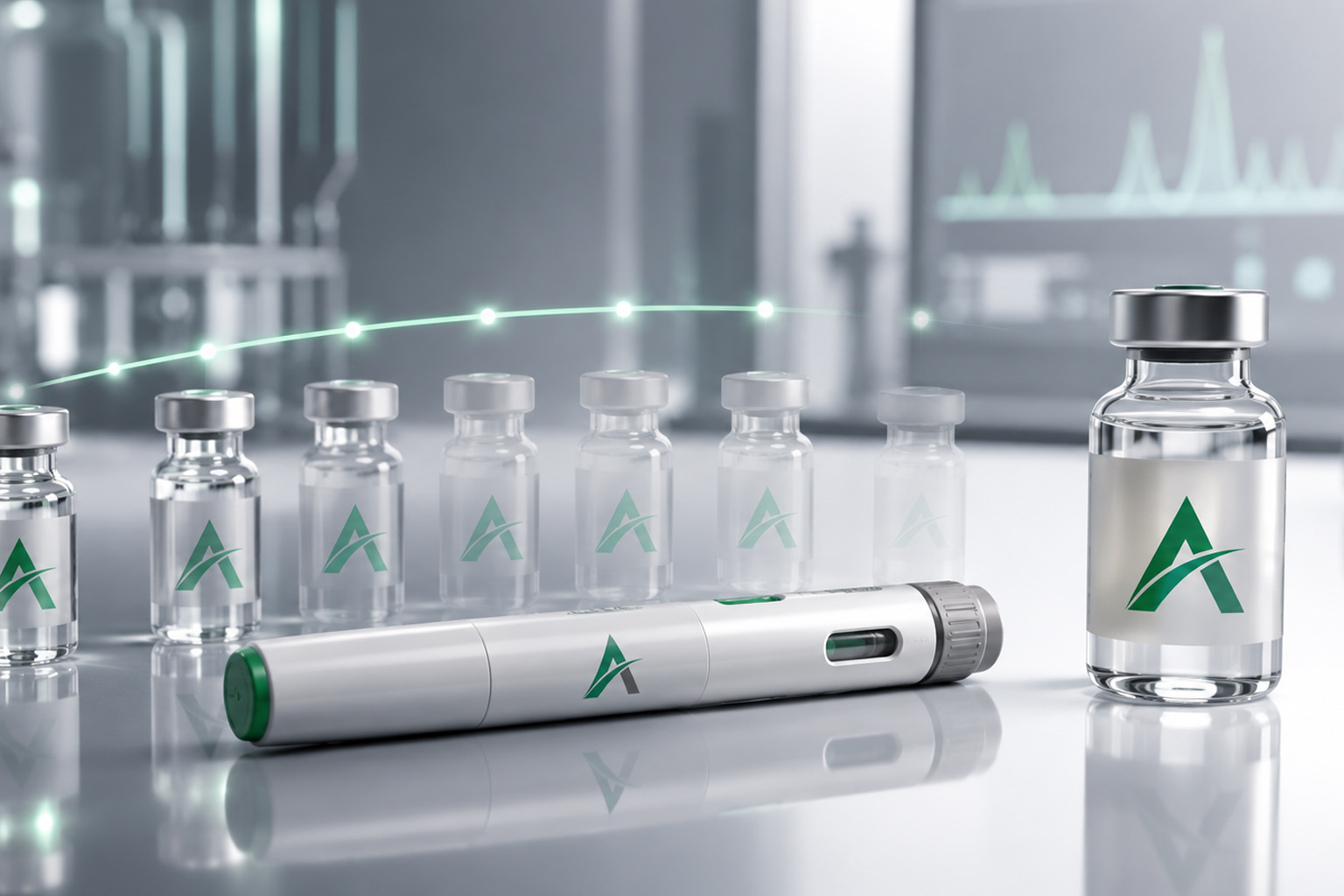
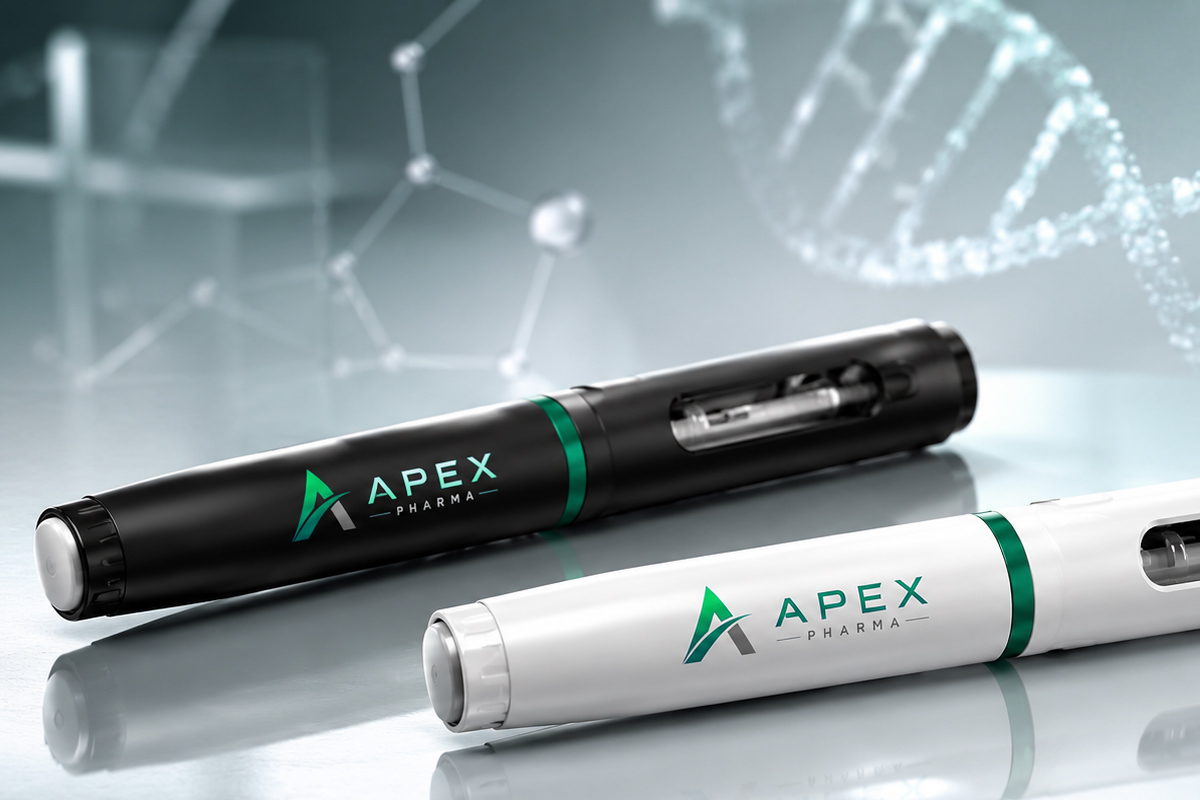
When planning laboratory research involving retatrutide, selecting an appropriate presentation size is an important part of procurement and inventory management. Apex Pharma offers two pre-mixed research options: the Reta Pen 20mg and the Reta Pen 40mg.
Both presentations contain the same investigational retatrutide compound and share the same triple receptor agonist profile. The principal difference is the total quantity supplied. The smaller presentation may be suitable for limited or preliminary projects, while the larger option may support broader laboratory programmes requiring a greater research inventory.
This guide compares the Reta Pen 20mg and Reta Pen 40mg, helping researchers, laboratories and procurement teams understand which format may be more appropriate for their planned work.
What Is Retatrutide?
Retatrutide is an investigational synthetic peptide developed as a triple receptor agonist. It demonstrates activity at the glucagon-like peptide-1, glucose-dependent insulinotropic polypeptide and glucagon receptors, commonly abbreviated as GLP-1, GIP and glucagon.
This multi-receptor profile has generated scientific interest within metabolic, endocrine and cellular-signalling research. Investigators are studying how coordinated activation of these three pathways may influence glucose metabolism, lipid metabolism, energy regulation and other related physiological processes.
Retatrutide remains under scientific and clinical evaluation. It has not received general regulatory approval for routine therapeutic use. Products supplied by Apex Pharma are intended strictly for controlled laboratory, analytical and scientific research.
Understanding the Apex Pharma Reta Pen Range
Apex Pharma supplies retatrutide in two pre-mixed research pen presentations. The range allows researchers to choose a total quantity that reflects the scale, duration and inventory requirements of their project.
The Reta Pen 20mg provides the smaller presentation, while the Reta Pen 40mg contains twice the total amount. The underlying compound remains retatrutide in both products.
Choosing between the two should be based on practical research requirements rather than an assumed difference in molecular identity or receptor activity.
Reta Pen 20mg
The Reta Pen 20mg contains a total presentation of 20mg of investigational retatrutide. It may be considered for smaller laboratory projects where a limited quantity of research material is required.
This presentation may suit:
- Preliminary analytical investigations
- Exploratory laboratory projects
- Assay development
- Method-validation work
- Smaller research inventories
- Shorter study programmes
- Initial product evaluation
The smaller quantity may help researchers avoid purchasing more material than their project requires. It can also provide a practical option when the purpose of the study is to establish or refine an analytical method before progressing to a larger programme.
The Reta Pen 20mg contains the same investigational retatrutide molecule as the larger presentation. Its lower total quantity does not indicate a different compound or receptor profile.
Reta Pen 40mg
The Reta Pen 40mg provides a total presentation of 40mg of investigational retatrutide. It may be more appropriate for laboratories conducting larger, longer or more material-intensive research programmes.
This presentation may suit:
- Broader analytical programmes
- Longer-term laboratory studies
- Projects requiring a larger research inventory
- Repeated analytical procedures
- Institutional research teams
- Recurring method-development work
- Laboratories seeking fewer individual units
By providing twice the total quantity of the smaller presentation, the Reta Pen 40mg may simplify stock planning where a research programme requires a greater amount of material.
The higher quantity should not be interpreted as a different or more active form of retatrutide. It contains the same investigational compound supplied in a larger presentation.
Reta Pen 20mg vs Reta Pen 40mg at a Glance
| Feature | Reta Pen 20mg | Reta Pen 40mg |
|---|---|---|
| Investigational compound | Retatrutide | Retatrutide |
| Receptor profile | GLP-1, GIP and glucagon | GLP-1, GIP and glucagon |
| Total quantity | 20mg | 40mg |
| Molecular composition | Identical retatrutide compound | Identical retatrutide compound |
| Potential project scale | Smaller or preliminary projects | Larger or longer-term programmes |
| Inventory requirement | Lower total quantity | Higher total quantity |
| Intended purpose | Laboratory research only | Laboratory research only |
The comparison demonstrates that quantity is the key distinction. Both products contain retatrutide and are intended for the same controlled research context.
Does the Presentation Size Change the Peptide?
No. The retatrutide supplied in the Reta Pen 20mg has the same molecular identity as the retatrutide supplied in the Reta Pen 40mg.
The presentation size does not change:
- The identity of the investigational compound
- The triple receptor agonist profile
- The underlying molecular composition
- The intended laboratory research purpose
- The requirement for controlled storage and handling
The total amount of research material supplied is the primary difference. Researchers should not select the larger presentation because they expect different pharmacological characteristics.
Choosing a Presentation Based on Project Scale
The size and duration of the planned research project are important factors when comparing the two Reta Pen options. A preliminary study may require less material than an established programme involving repeated analytical procedures.
The Reta Pen 20mg may be appropriate where the project is limited in scope or where researchers are initially evaluating a method. It can provide sufficient material without creating an unnecessarily large inventory.
The Reta Pen 40mg may be more practical where the study is expected to continue for longer or involves a greater number of planned analytical procedures.
Before ordering, researchers should estimate the total amount required across the complete study rather than considering only the immediate stage of the project.
Inventory Planning for Individual Researchers
Individual researchers conducting legitimate analytical, scientific or educational work may prefer a presentation that closely reflects the scale of their project.
A smaller research inventory can be easier to document, store and manage. For this reason, the Reta Pen 20mg may be considered for exploratory work or initial product evaluation.
Where an independent researcher has a broader study plan with suitable facilities and approved procedures, the Reta Pen 40mg may reduce the need to order additional units during the programme.
All researchers remain responsible for ensuring that products are stored securely, handled appropriately and used only within controlled laboratory environments.
Inventory Planning for Laboratories
Professional laboratories may need to consider stock levels, storage capacity, batch continuity and procurement schedules when selecting a retatrutide presentation.
Questions for laboratory teams may include:
- How much material is required for the complete programme?
- How many analytical procedures are planned?
- Will the study use more than one production batch?
- Is suitable controlled storage available?
- How will remaining stock be recorded?
- Are repeat orders likely to be required?
- Does the documentation match the current batch?
The Reta Pen 20mg may provide greater flexibility for smaller departmental projects. The Reta Pen 40mg may offer more efficient inventory planning where the laboratory requires a greater total quantity.
Consider the Possibility of Research Waste
Ordering more research material than a project requires can lead to unnecessary stock, extended storage or disposal. Laboratories should therefore consider the expected usage period and the product-specific storage requirements before selecting a presentation.
The smaller Reta Pen 20mg may reduce surplus inventory where the project has limited material requirements. The larger Reta Pen 40mg may be more efficient when the complete quantity is expected to be incorporated into an established research programme.
Researchers should balance procurement efficiency against the risk of holding unused material beyond the planned duration of the study.
Batch Testing and Documentation
Analytical documentation can help researchers review the identity, purity and quantity information associated with a research peptide. Depending on the product and batch, documentation may include a Supplier Certificate of Analysis or independent third-party testing.
When reviewing a report, researchers should check:
- The product or sample name
- The stated presentation size
- The batch or lot number
- The date of analysis
- The analytical methods used
- The reported purity result
- The molecular identity result
- The measured quantity where tested
- Whether the report can be verified
Documentation for the Reta Pen 20mg should correspond with that exact presentation and production batch. A report for the smaller option should not automatically be treated as verification of the Reta Pen 40mg or a different production lot.
Storage and Handling Considerations
Both Reta Pen presentations should be stored and handled according to the product-specific instructions provided by Apex Pharma. Researchers should review the relevant label, Certificate of Analysis and accompanying technical documentation before placing either product into laboratory storage.
General considerations may include:
- Maintaining the stated storage temperature
- Protecting products from unnecessary temperature fluctuations
- Avoiding repeated freeze-thaw cycles where applicable
- Keeping the product clearly labelled
- Recording the batch and storage location
- Restricting access to authorised personnel
- Following institutional handling procedures
The different total quantities should be recorded accurately. Laboratories holding both the Reta Pen 20mg and Reta Pen 40mg should maintain separate inventory entries to prevent confusion.
Which Reta Pen Is Better?
Neither presentation is universally better. The most appropriate option depends on the requirements of the laboratory project.
The Reta Pen 20mg may be the more suitable choice where:
- The project is preliminary or exploratory
- A limited quantity is required
- The researcher wants to minimise surplus inventory
- The study is expected to be shorter
- The material is being used for initial method development
The Reta Pen 40mg may be the more practical option where:
- The programme is broader or longer term
- A greater total quantity is required
- Repeated analytical work is planned
- The laboratory wants to reduce the number of units ordered
- The complete quantity can be managed within approved storage conditions
The decision should be based on research scale, inventory requirements, available documentation and internal laboratory procedures.
Why Choose Apex Pharma Reta Pens?
Apex Pharma supplies pre-mixed retatrutide research pens to eligible individual researchers, laboratories and procurement teams throughout the UK. The range provides a choice between two clearly identified presentation sizes.
Researchers can benefit from:
- Reta Pen 20mg and Reta Pen 40mg options
- Clearly stated total quantities
- Pre-mixed research presentations
- Batch documentation where available
- Independent analytical testing where applicable
- Clear product labelling
- Support for individual and institutional enquiries
- Free UK delivery
- Products supplied strictly for laboratory research
Apex Pharma does not present Reta Pens as medicines, treatments or consumer weight-management products. All information relates to product identity, laboratory presentation and responsible research supply.
Frequently Asked Questions
What is the difference between the Reta Pen 20mg and Reta Pen 40mg?
The main difference is the total quantity of retatrutide supplied. Both contain the same investigational compound and have the same GLP-1, GIP and glucagon receptor profile.
Does the larger Reta Pen contain a different type of retatrutide?
No. The Reta Pen 40mg contains the same investigational retatrutide compound as the Reta Pen 20mg. It simply provides a greater total quantity.
Which presentation may suit a smaller research project?
The Reta Pen 20mg may be more suitable for preliminary, exploratory or smaller-scale projects requiring a limited quantity.
Which presentation may suit a larger research programme?
The Reta Pen 40mg may be more practical for broader, longer-term or repeated analytical work requiring a greater research inventory.
Are the two Reta Pens intended for different types of research?
Both are supplied for controlled laboratory, analytical and scientific research. The choice should be based on the quantity required rather than a difference in the underlying compound.
Are Certificates of Analysis available?
Certificates of Analysis and independent testing reports may be available for selected products and batches. Researchers should check the relevant product page or contact Apex Pharma for current documentation.
Can laboratories order both presentation sizes?
Eligible laboratories and procurement teams may select either presentation according to stock availability, project requirements and their approved purchasing procedures.
Are Reta Pens suitable for human use?
No. The Reta Pen 20mg and Reta Pen 40mg are supplied strictly for controlled laboratory research and must not be consumed, administered or used therapeutically.
Important Research Use Notice
All products supplied by Apex Pharma, including the Reta Pen 20mg and Reta Pen 40mg, are intended exclusively for controlled laboratory, analytical and scientific research.
They are not intended for human or veterinary use and are not approved as medicines, food products, dietary supplements, cosmetics or medical devices. They must not be consumed, self-administered, used therapeutically or incorporated into personal experimentation.
All products should be stored, handled and used by suitably qualified personnel in appropriate research environments and in accordance with applicable laws, institutional procedures and recognised laboratory safety standards.