
How Research Peptides Should Be Stored and Handled in the Laboratory
Correct storage and handling are essential for protecting the stability, identity and integrity of research peptides. Exposure to unsuitable temperatures, moisture, light, contamination or repeated temperature changes may affect the condition of a peptide and reduce the reliability of subsequent laboratory work.
There is no single storage procedure suitable for every research peptide. Requirements can vary according to the molecular structure, formulation, presentation format and whether the material is supplied as a dry, lyophilised or pre-mixed product. Researchers should therefore follow the product label, Certificate of Analysis and accompanying technical documentation for the exact compound and batch being handled.
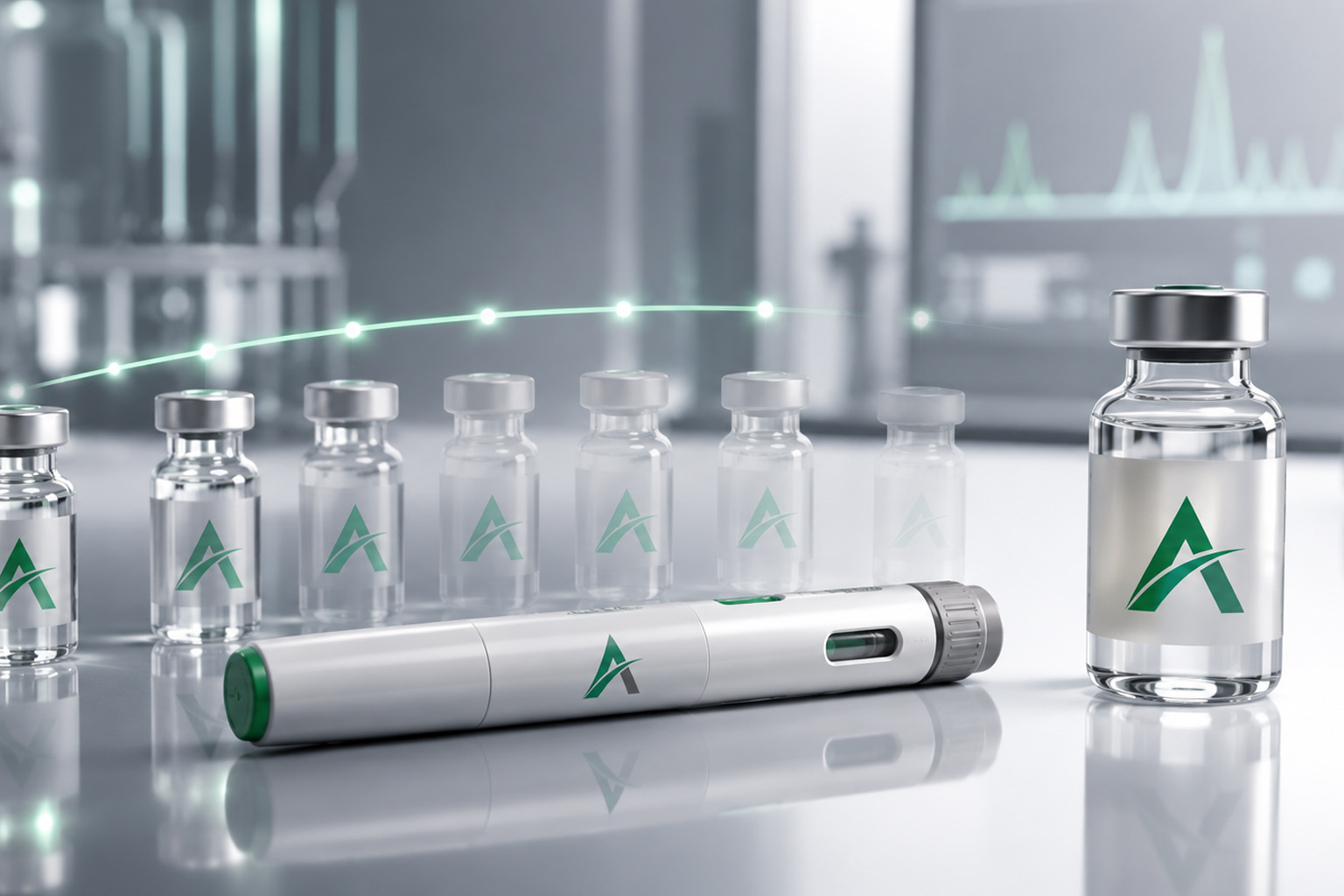
This guide provides general laboratory considerations for receiving, storing and managing research peptides, including Apex Pharma products such as the Reta Pen 20mg and Reta Pen 40mg. It does not replace product-specific instructions or an institution’s approved laboratory procedures.
Why Correct Peptide Storage Matters
Peptides are chains of amino acids whose stability may be affected by their composition, surrounding environment and physical presentation. Incorrect storage can contribute to chemical degradation, oxidation, aggregation, contamination or loss of material through repeated handling.
Reliable storage procedures help laboratories preserve the condition of research materials between receipt and use. They also support consistent experimental planning, accurate inventory management and clearer batch traceability.
Researchers should avoid assuming that all peptide products require identical conditions. A lyophilised vial may have different storage requirements from a prepared solution or a pre-mixed research pen. The instructions supplied with the individual product should always take priority over general guidance.
Review the Product Documentation First
Before storing any peptide, researchers should review all documentation supplied with the product. This may include the label, technical data, Supplier Certificate of Analysis and any independent analytical report associated with the batch.
Relevant information may include:
- Recommended storage temperature
- Product and compound identity
- Batch or lot number
- Presentation format
- Protection from light or moisture
- Handling precautions
- Stability information where available
- Instructions following opening or preparation
Researchers handling the Reta Pen 20mg or Reta Pen 40mg should follow the documentation associated with the exact presentation and production batch rather than relying on guidance for an unrelated peptide product.
Receiving Research Peptides
A suitable storage and handling process should begin as soon as a research peptide arrives at the laboratory. Deliveries should be inspected promptly rather than being left unattended or stored under uncontrolled conditions.
On receipt, researchers should:
- Confirm that the product matches the order
- Check the stated quantity and presentation format
- Inspect the external packaging for visible damage
- Record the batch or lot number
- Review the recommended storage conditions
- Transfer the product to suitable storage promptly
- Record the date received in the laboratory inventory
Any discrepancy involving the product identity, packaging, batch reference or condition on arrival should be documented and raised with the supplier before the material is incorporated into laboratory work.
Storing Lyophilised Research Peptides
Many research peptides are supplied as a dry, lyophilised material. Lyophilisation removes water from the product and may help support stability during storage, but the material must still be protected from unsuitable environmental conditions.
General considerations for lyophilised peptides may include:
- Keeping the vial securely closed
- Protecting the material from moisture
- Avoiding prolonged exposure to bright light
- Using the temperature stated in the product documentation
- Allowing a cold vial to equilibrate appropriately before opening
- Preventing unnecessary opening and closing of the container
Opening a cold vial immediately may allow atmospheric moisture to condense inside the container. Where supported by the relevant product guidance, researchers may allow the sealed vial to approach the required working temperature before opening it.
Storing Peptide Solutions and Pre-Mixed Products
Peptides in solution can behave differently from dry or lyophilised material. Their stability may be influenced by concentration, pH, solvent composition, temperature, container type and the individual peptide sequence.
Researchers should never assume that a storage condition suitable for a dry peptide will also be appropriate after the material has been placed into solution. The preparation should be labelled clearly with its identity, concentration, preparation date and relevant storage information.
Pre-mixed presentations such as the Reta Pen 20mg and Reta Pen 40mg should be stored according to the specific instructions provided by Apex Pharma. Researchers should not transfer the contents into another container or alter the supplied presentation unless this is required by an authorised laboratory protocol.
Avoid Repeated Freeze-Thaw Cycles
Repeated freezing and thawing can affect the stability of some peptide preparations. Each cycle may expose the material to temperature changes and increase the risk of degradation, aggregation or contamination through repeated handling.
Where compatible with the product and study requirements, laboratories commonly reduce unnecessary freeze-thaw exposure by dividing suitable preparations into smaller, clearly labelled aliquots. Each aliquot can then be used independently without repeatedly thawing the full laboratory stock.
Aliquoting is not automatically suitable for every peptide or presentation. Researchers should consider the product format, container compatibility, concentration and stability information before transferring any material.
Protect Research Peptides from Moisture
Moisture can affect the long-term condition of dry peptide material. Containers should remain sealed when not in use, and laboratories should minimise the time that sensitive products are exposed to the surrounding atmosphere.
Good moisture-control practices may include:
- Keeping containers securely closed
- Opening products only in an appropriate workspace
- Avoiding unnecessary exposure to humid environments
- Allowing sealed cold containers to equilibrate before opening where appropriate
- Returning the product to its specified storage conditions promptly
- Using desiccated storage where required by the product instructions
Researchers should not add desiccants directly to a peptide container unless this is part of the approved packaging or laboratory procedure.
Protect Peptides from Light
Some peptides or associated formulations may be sensitive to light. Prolonged exposure can contribute to chemical changes in susceptible materials, particularly where a product contains light-sensitive amino acid residues or additional formulation components.
Where light protection is required, laboratories may use the original packaging, opaque secondary storage or a suitable light-resistant container. The product label and technical documentation should specify whether additional protection is necessary.
Research materials should not be left unnecessarily on open benches, near windows or beneath strong laboratory lighting.
Maintain a Stable Storage Temperature
Stable storage conditions are generally preferable to repeated movement between environments. Frequently removing a product from controlled storage and allowing it to warm before returning it can create unnecessary temperature fluctuations.
Laboratories should use suitable monitored equipment for temperature-sensitive materials. This may include:
- Calibrated laboratory refrigerators
- Monitored laboratory freezers
- Temperature-recording systems
- Alarm procedures for storage failures
- Documented contingency arrangements
Domestic refrigerators or freezers may not provide the monitoring, temperature uniformity or access control required for specialist research materials.
Use Appropriate Personal Protective Equipment
Research peptides should be handled using the personal protective equipment and risk controls specified by the laboratory’s approved procedures. Suitable requirements may include laboratory gloves, protective clothing and eye protection.
Gloves can help protect the research material from contamination caused by direct contact while also reducing the handler’s exposure to the compound. Gloves should be changed when contaminated and should not be worn when touching shared equipment, door handles or personal items.
Researchers should review the relevant risk assessment and safety information before beginning any procedure involving a research compound.
Prevent Laboratory Contamination
Contamination can compromise a peptide sample and affect the reliability of experimental results. Laboratory materials should be handled within an appropriate controlled workspace using clean equipment and suitable aseptic procedures where required.
Good contamination-control practices may include:
- Wearing clean gloves
- Using dedicated or suitably cleaned equipment
- Avoiding direct contact with container openings
- Keeping caps and closures away from work surfaces
- Using sterile materials where required by the protocol
- Cleaning the workspace before and after handling
- Preventing cross-contamination between compounds
Separate equipment or clearly defined cleaning procedures may be appropriate when multiple peptides are handled within the same facility.
Use Suitable Laboratory Containers
The container used for a peptide preparation can influence product recovery, stability and contamination risk. Researchers should consider whether the peptide may adhere to the container surface or interact with the selected material.
Any transfer into a secondary container should be justified by the laboratory method and recorded clearly. The replacement container should be compatible with the peptide, solvent, intended temperature and duration of storage.
Original products such as the Reta Pen 20mg and Reta Pen 40mg should normally remain in their supplied presentation unless an authorised procedure requires otherwise.
Label Every Peptide Clearly
Clear labelling reduces the risk of product confusion and supports traceability throughout a research project. Every original or secondary container should remain identifiable.
A laboratory label may include:
- Compound or product name
- Quantity or concentration
- Batch or lot number
- Date received or prepared
- Storage conditions
- Relevant expiry or review date
- Initials of the person responsible
- Required hazard or research-use wording
Labels should remain legible under the intended storage conditions. Laboratories should avoid relying solely on handwritten abbreviations that could be interpreted incorrectly.
Maintain Accurate Inventory Records
Inventory records help laboratories track product receipt, storage location, batch usage and remaining quantities. This can be particularly important for repeat studies, comparative analysis and internal audits.
Useful inventory information may include:
- Supplier name
- Product identity
- Batch or lot number
- Quantity received
- Date received
- Storage location
- Date first accessed
- Quantities removed
- Remaining stock
- Disposal information
Separate records should be maintained for the Reta Pen 20mg and Reta Pen 40mg, particularly where multiple batches or presentation sizes are stored within the same facility.
Manage Stock Using an Appropriate Rotation System
Laboratories may use a first-expiring, first-out approach to ensure that materials with the shortest remaining approved storage period are reviewed or used before newer stock.
New deliveries should not simply be placed in front of older products without checking the batch details and relevant dates. Storage areas should be organised so that products are easy to identify without excessive handling.
Regular stock reviews can help laboratories identify damaged packaging, missing documentation, expired materials or products that have been stored outside their specified conditions.
What to Do After a Temperature Excursion
A temperature excursion occurs when a product is stored outside its specified temperature range. This may result from equipment failure, power loss, incorrect placement or extended handling outside controlled storage.
Where an excursion occurs, laboratories should:
- Quarantine the affected material
- Record the temperature and duration where known
- Do not continue using the product automatically
- Review the product stability information
- Contact the supplier where further guidance is required
- Document the final decision and responsible person
A product should not be assumed to remain suitable solely because it appears unchanged. Visual inspection cannot confirm molecular identity, purity or stability.
Recognising Potential Product Deterioration
Visible changes can indicate that a research material requires further review, although the absence of visible change does not prove that a peptide remains analytically unchanged.
Potential warning signs may include:
- Damaged or compromised packaging
- A loose or broken closure
- Unexpected discolouration
- Unexpected precipitation or cloudiness
- Changes in physical appearance
- Evidence of leakage
- Missing or unreadable labels
- Unexplained temperature excursions
Affected products should be segregated from usable stock while the laboratory determines the appropriate action.
Disposing of Research Peptides
Expired, compromised or unwanted research peptides should be disposed of according to applicable legislation, institutional waste procedures and the compound’s risk assessment.
Research materials should not be poured into sinks, placed into general waste or discarded through domestic disposal routes unless an approved procedure specifically permits this.
Disposal records may need to include the product name, batch number, quantity, reason for disposal, date and authorised person responsible for the action.
Storing Reta Pen 20mg and Reta Pen 40mg
The Reta Pen 20mg and Reta Pen 40mg contain the same investigational retatrutide compound in different total presentation sizes. The 20mg option may suit smaller research requirements, while the 40mg presentation may be more practical for broader or longer-term laboratory programmes.
Both products should be stored under the conditions stated on their product documentation. Researchers should keep each pen clearly identified, record the associated batch information and protect the product from unauthorised access or unnecessary environmental exposure.
The Reta Pen 20mg and Reta Pen 40mg should not be treated as interchangeable inventory entries. Their different total quantities should be reflected accurately within procurement, storage and usage records.
Research Peptide Storage Checklist
- Confirm the compound, quantity and batch on receipt
- Review the product-specific storage instructions
- Transfer products to controlled storage promptly
- Keep dry peptides protected from moisture
- Protect light-sensitive materials where required
- Avoid unnecessary temperature fluctuations
- Reduce repeated freeze-thaw cycles where applicable
- Use appropriate protective equipment
- Prevent cross-contamination
- Maintain clear labels and inventory records
- Document temperature excursions
- Dispose of unwanted materials through approved routes
Frequently Asked Questions
What temperature should research peptides be stored at?
The correct temperature depends on the specific peptide, formulation and presentation. Researchers should follow the product label, Certificate of Analysis and accompanying technical documentation rather than applying one temperature to every peptide.
Should all peptides be stored in a freezer?
No. Storage requirements vary between compounds and formats. Some dry peptides may require frozen storage, while other products may specify different conditions. Always follow the instructions for the exact product and batch.
Why should repeated freeze-thaw cycles be avoided?
Repeated temperature changes may affect the stability of some peptide preparations. Where appropriate, laboratories may use carefully prepared aliquots to reduce repeated handling of the main stock.
Should a cold peptide vial be opened immediately?
Opening a cold vial may allow moisture to condense inside the container. Where supported by the relevant instructions, the sealed vial may be allowed to equilibrate appropriately before opening.
How should peptide solutions be labelled?
Labels should clearly show the compound, concentration, batch reference, preparation date, storage conditions and any relevant expiry or review date required by the laboratory procedure.
What should a laboratory do after a storage temperature excursion?
The affected material should be quarantined and the incident documented. Researchers should review available stability information and contact the supplier where further guidance is required before deciding whether the product remains suitable.
How should the Reta Pen 20mg be stored?
The Reta Pen 20mg should be stored according to the conditions stated on its product label and accompanying Apex Pharma documentation. The pen should remain clearly identified and protected from unnecessary environmental exposure.
Does the Reta Pen 40mg require different handling from the 20mg presentation?
The principal difference is the total quantity supplied. Researchers should nevertheless review the documentation for the exact Reta Pen 40mg product and batch before storage or handling.